
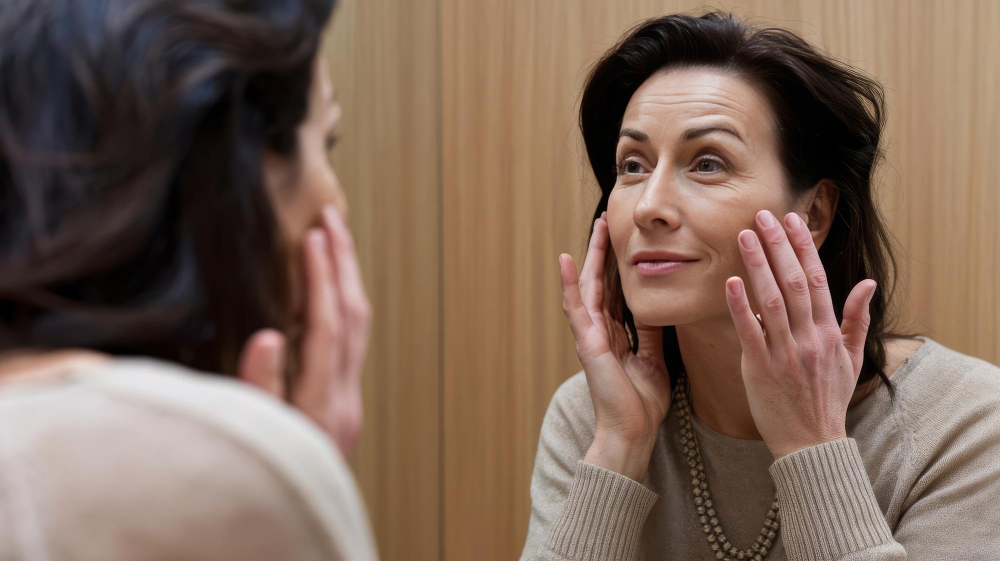
As we grow older, our bodies go through many changes. One of the most visible shifts is in our skin. In fact, skin changes with age are common for everyone. While some changes are normal, others may signal a health problem. Understanding what is typical and what needs attention can help you care for your skin as you age. In the US, many people want to know how to spot signs of aging skin and when to see a dermatologist for skin changes.
What Are Normal Skin Changes With Age?
Over time, your skin naturally changes. For example, you may notice your skin feels drier or thinner. These are common signs of aging skin. Although these changes can be surprising, most are normal and expected.
Additionally, some people notice their skin heals more slowly. While these changes are normal, they can affect how you feel about your appearance.
Common Causes of Skin Changes as We Age
Many factors lead to skin changes with age. First, the natural aging process slows down the production of collagen and elastin. These proteins help keep skin firm and smooth. As a result, skin loses its bounce and strength.
Because these causes often work together, everyone’s skin ages a bit differently. However, making healthy choices can slow some changes.
Signs That May Need Medical Attention
While most skin changes are harmless, some may need a closer look. For instance, not all spots or growths are safe. Knowing when to see a dermatologist for skin changes is important for your health.
Moreover, if you notice any of these signs, it is best to get checked. Early care can help prevent more serious problems, such as skin cancer. The CDC and American Academy of Dermatology recommend regular skin checks, especially for those living in sunny areas of the US.
How to Care for Aging Skin
With age, skin needs gentle care. For example, using mild cleansers and moisturizers can help prevent dryness. In addition, protecting your skin from the sun is one of the best healthy skin aging tips.
Furthermore, avoid harsh scrubs or products with strong chemicals. Gentle care helps your skin stay healthy and comfortable as you age.
Prevention Tips for Healthy Skin Aging
Although you cannot stop aging, you can take steps to slow down some skin changes. Many experts agree that prevention is key for healthy skin aging. Here are some simple tips:
By following these tips, you can support your skin’s health at any age. Remember, healthy habits make a big difference in how your skin looks and feels over time.