
What Is Psoriasis?
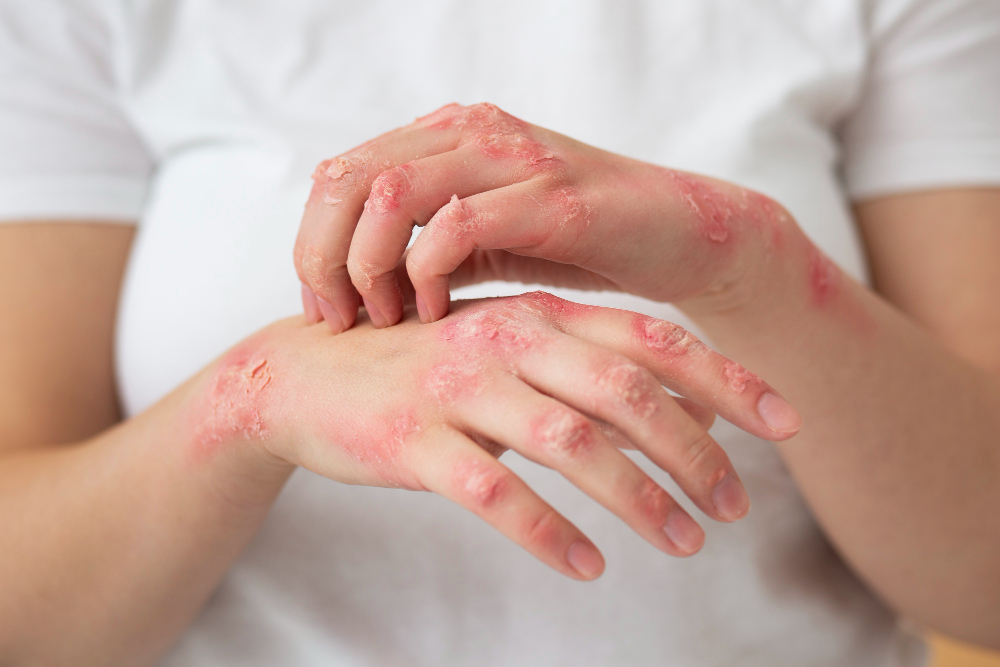
Many people think psoriasis is more than just dry skin. In fact, it is a long-term skin condition. Psoriasis happens when skin cells grow too fast. As a result, thick, scaly patches form on the skin. These patches can look red or silver. Although it is not contagious, it can affect daily life. According to the CDC, millions of people worldwide live with psoriasis. For some, symptoms can be mild. For others, they can be severe and even painful.
Common Symptoms of Psoriasis
Psoriasis symptoms can vary from person to person. However, some signs are more common than others. Early detection can help manage the condition better. Here are some symptoms to watch for:
Sometimes, symptoms get worse during flare-ups. In addition, stress and cold weather can make them more noticeable. If you notice these signs, it is important to talk to a doctor.
Causes and Risk Factors
Doctors do not know the exact cause of psoriasis. Still, experts believe it is linked to the immune system. When the immune system attacks healthy skin cells by mistake, psoriasis symptoms appear. Genetics also play a role. If someone in your family has psoriasis, your risk may be higher. Other risk factors include:
Because triggers can be different for everyone, it helps to track what makes your symptoms worse. This way, you can avoid some flare-ups.
How Psoriasis Is Diagnosed
Doctors use several steps to diagnose psoriasis. First, they look at your skin and ask about your symptoms. Sometimes, they may take a small skin sample. This is called a biopsy. The sample helps rule out other skin problems. In most cases, a doctor can diagnose psoriasis by looking at the patches. If you live in a city with a dermatologist, you may get a faster diagnosis. Early diagnosis can help you start treatment sooner.
Treatment Options for Psoriasis
There are many psoriasis treatment options. The best choice depends on your symptoms and health. Some treatments work better for mild cases. Others help with severe symptoms. Common treatments include:
Because psoriasis is more than just dry skin, treatment may take time. Your doctor can help you find the right plan. In addition, new treatments are always being studied in medical journals.
Living With Psoriasis: Daily Tips
Living with psoriasis can be challenging. However, small changes can make a big difference. Here are some daily tips for managing psoriasis symptoms:
Because triggers can change, it helps to keep a symptom diary. This can help you and your doctor spot patterns. For many people, support groups also provide comfort and advice.
Preventing Psoriasis Flare-Ups
Preventing psoriasis flare-ups is possible with the right steps. While you cannot cure psoriasis, you can lower the number of flare-ups. Here are some ways to help prevent them:
In some areas, local support groups and clinics offer extra help. Because psoriasis is more than just dry skin, ongoing care is important. Always check with a healthcare provider before making changes to your routine.