
Introduction
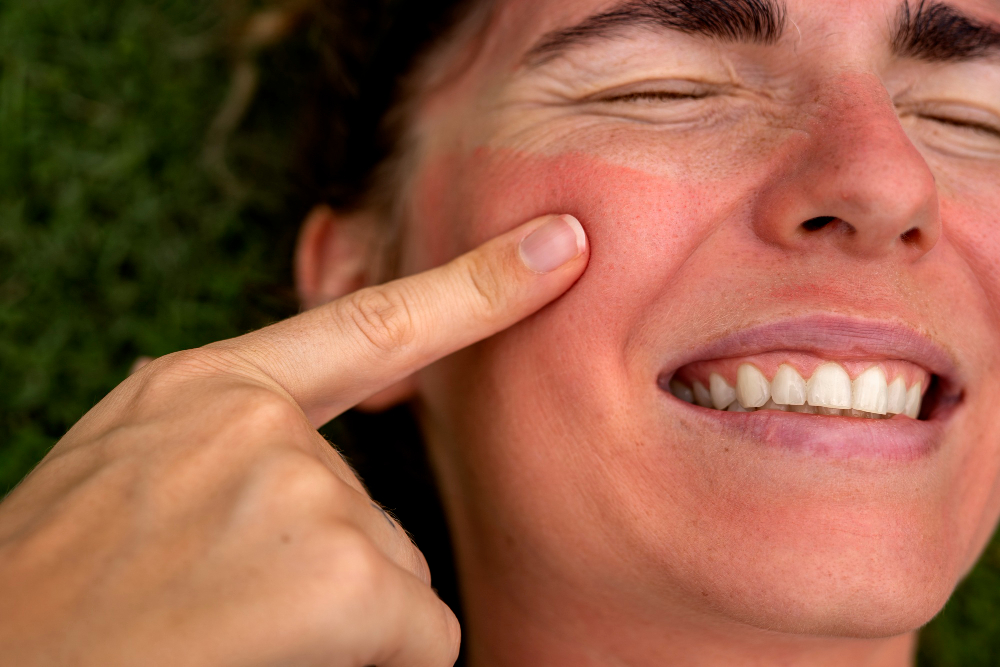
PMLE, or Polymorphous Light Eruption, is a common skin condition. Many people call it a “sun allergy.” It often shows up as a rash after time in the sun, especially in April. This is when sunlight gets stronger in many places. Because of this, people may notice itchy or red skin after being outdoors. PMLE is not a true allergy, but it feels like one. Understanding PMLE can help you prevent and manage it.
What is PMLE?
PMLE stands for Polymorphous Light Eruption. It is a skin reaction to sunlight. Although it is called a “sun allergy,” it is not a real allergy. Instead, the skin becomes sensitive to sunlight. When exposed, the skin reacts with a rash or bumps. PMLE is most common in spring and early summer. People with lighter skin are more likely to get it. However, anyone can be affected.
Symptoms of PMLE
PMLE symptoms usually appear a few hours after sun exposure. Sometimes, it can take up to two days. The symptoms can vary, but they often include:
For example, the face is often less affected because it gets sun all year. But other areas may react more strongly in spring.
Causes and Risk Factors
PMLE happens when the skin reacts to ultraviolet (UV) rays from the sun. The exact cause is not fully known. However, experts believe the immune system plays a role. Some people’s skin is more sensitive to sunlight. Because of this, their immune system reacts and causes a rash. Risk factors include:
Women are more likely to get PMLE than men. Children and young adults can also be affected.
Why Does PMLE Flare Up in April?
April is a common time for PMLE flare-ups. This is because the sun’s rays become stronger after winter. Many people spend more time outdoors as the weather warms up. However, their skin is not used to the stronger sunlight. As a result, the sudden exposure can trigger PMLE. In some regions, spring sunlight is more intense. This makes PMLE more likely in places with harsh spring sun.
Diagnosis of PMLE
If you notice a rash after sun exposure, a doctor can help. Usually, a dermatologist will look at your skin and ask about your symptoms. Sometimes, they may do tests to rule out other conditions. For example, they may check for lupus or other skin problems. In rare cases, a doctor may use special light tests to confirm PMLE. Early diagnosis can help you manage symptoms better.
Treatment Options for PMLE
Most PMLE symptoms go away on their own in a few days. However, treatment can help reduce discomfort. Common treatment options include:
It is important to avoid scratching, as this can make the rash worse.
Prevention Tips and Lifestyle Guidance
Preventing PMLE is possible with a few simple steps. Because PMLE often happens after the first sun exposure of the year, extra care in spring is helpful. Try these tips:
With these steps, you can lower your risk of PMLE and enjoy the outdoors safely.
When to See a Dermatologist
If you get a rash that does not go away or keeps coming back, see a dermatologist. Also, if the rash is painful, spreads quickly, or you feel unwell, seek medical help. Sometimes, other skin conditions can look like PMLE. A dermatologist can give you the right diagnosis and treatment. Early care can prevent problems and help you feel better faster.
If you notice unusual skin reactions after sun exposure, consult a dermatologist for personalized advice.