
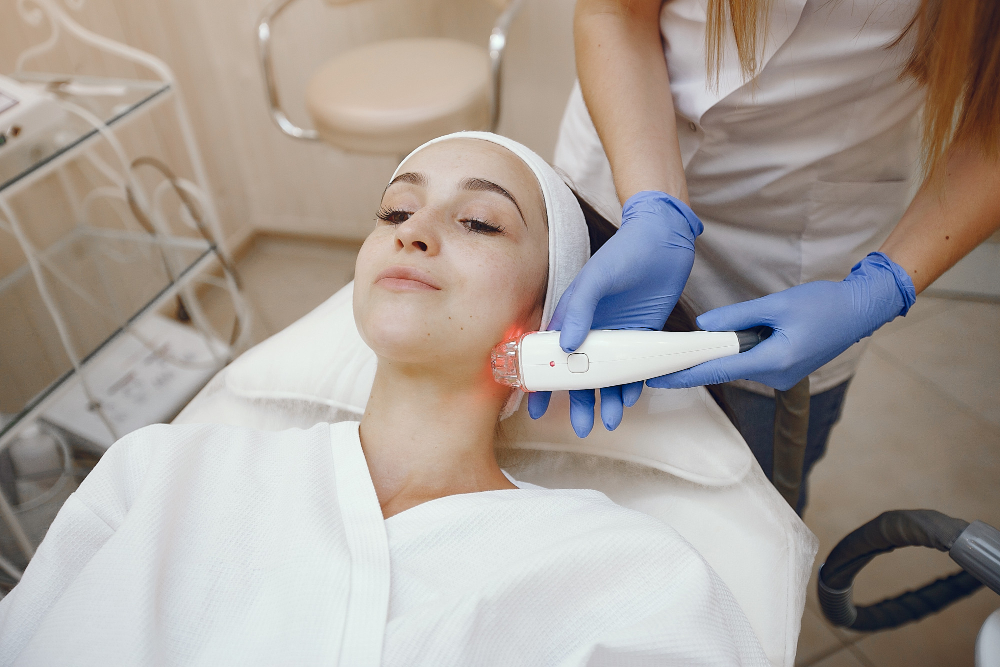
What Is Laser Skin Resurfacing?
Laser skin resurfacing is a cosmetic laser procedure that helps improve your skin’s look and feel. It uses focused light beams to remove damaged skin layers. As a result, new, healthy skin grows in its place. Many people choose this treatment to restore skin radiance and smoothness. It can also help reduce scars, wrinkles, and uneven skin tone.
How Does Laser Skin Resurfacing Work?
First, a doctor uses a special laser device on your skin. There are two main types of lasers:
Because the laser targets only the skin’s surface or deeper layers, it helps your body make new skin cells. Over time, your skin looks smoother and brighter.
Benefits of Laser Skin Resurfacing
Laser skin resurfacing offers many benefits. For example, it can:
Additionally, results can last for months or even years with proper care.
Who Is a Good Candidate?
Not everyone is a good fit for laser skin resurfacing. You may be a good candidate if you:
However, some people should avoid this treatment. For instance, if you have very dark skin, certain medical conditions, or take medicines that affect healing, talk to your doctor first. Pregnant women should also wait until after delivery.
What to Expect During the Procedure
Before the procedure, your doctor will clean your skin and may apply a numbing cream. Sometimes, you may get medicine to help you relax. Next, the doctor moves the laser device over the treatment area. The session can last from 30 minutes to two hours, depending on the size of the area.
During the procedure, you may feel warmth or a mild stinging. Afterward, your skin may look red and feel sensitive, much like a sunburn. Most people can go home the same day.
Recovery and Aftercare Tips
Proper aftercare helps your skin heal well. Here are some tips:
Usually, redness and swelling fade within a week or two. However, deeper treatments may take longer to heal. Always contact your doctor if you notice signs of infection or unusual pain.
Potential Risks and Side Effects
Like all cosmetic laser procedures, laser skin resurfacing has some risks. These may include:
Most side effects are mild and go away with time. Still, it is important to choose a certified dermatologist for your treatment. This helps lower the risk of problems. The American Academy of Dermatology and the CDC recommend following all aftercare steps to reduce risks.
Frequently Asked Questions
Conclusion & Call-to-Action
Laser skin resurfacing is a proven way to restore your skin’s radiance and smoothness. It can help reduce scars, wrinkles, and uneven tone. While the procedure is safe for many, it is important to talk to a certified dermatologist first. They can help you decide if this treatment is right for your skin type and needs. For best results, always follow your doctor’s advice and aftercare tips. Consult a certified dermatologist to find out if laser skin resurfacing is right for you.